
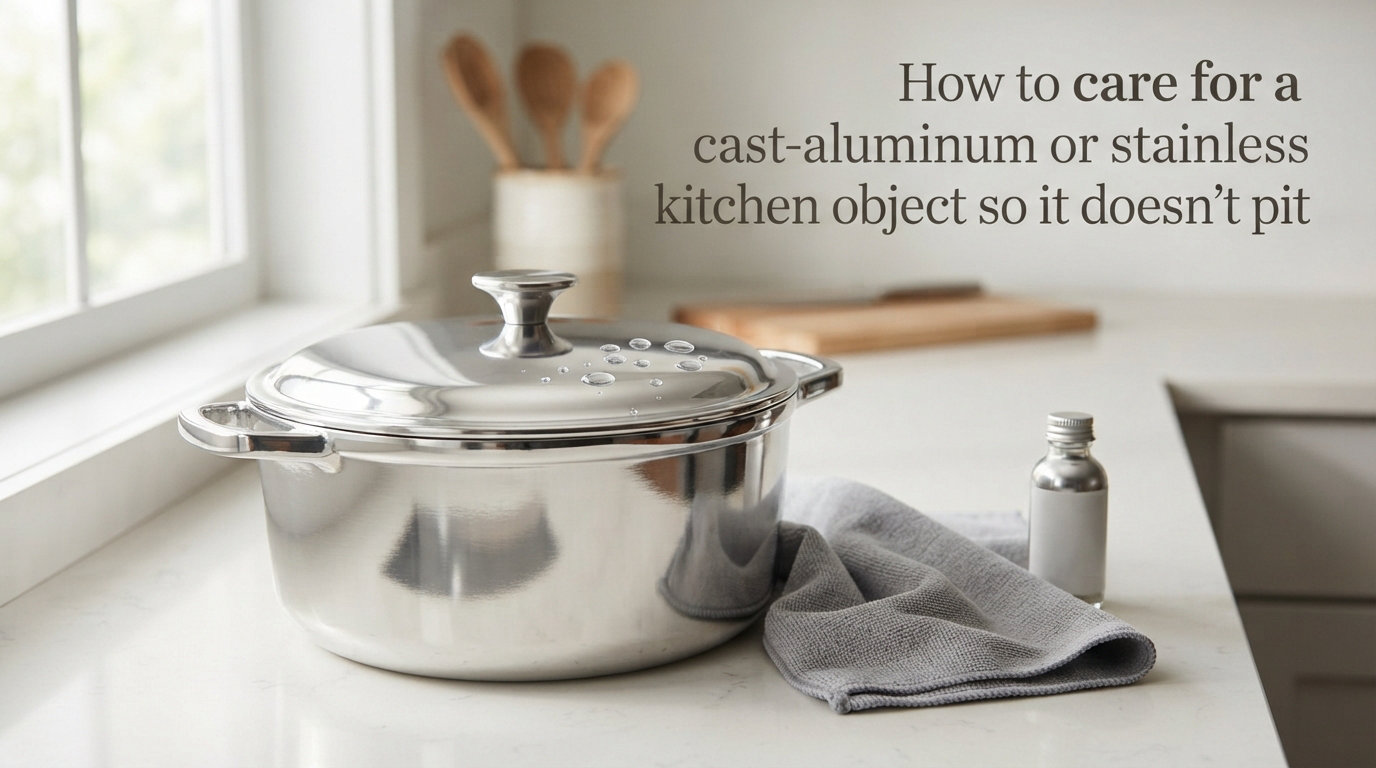
Pitting is the small, sometimes microscopic damage that appears as tiny pinholes or dark craters on the surface of metal cookware. It happens when the protective layer on the metal breaks down, usually because of chloride exposure, salt, harsh detergents, or acidic foods sitting too long on the surface.
I’ve spent years testing and cooking with both cast aluminum and stainless steel pans, and pitting is one of the most common problems I see in home kitchens. The good news: once you understand what causes pitting, you can prevent almost all of it. This guide covers both materials, the science behind pitting, and the daily habits that keep your cookware looking and working like new for 2026 and beyond.
Table of Contents
What Is Pitting and Why It Happens?
Pitting is a form of localized corrosion that creates small holes or depressions in metal surfaces. Unlike general rusting, pitting attacks specific spots where the protective oxide layer has been compromised.
Every stainless steel and aluminum pan relies on a thin invisible layer to stay protected. Stainless steel uses a chromium oxide layer, while aluminum forms an aluminum oxide layer. When chlorides, salt, or acidic compounds break through that layer, the underlying metal starts to corrode at that exact spot, creating a pit.
Three main culprits cause pitting in kitchen cookware:
Chlorides – found in table salt, sea salt, bleach, and many dishwasher detergents
Acidic foods – tomatoes, citrus, vinegar, and wine left sitting on the surface
Mechanical damage – abrasive scrubbers that scratch the protective layer and expose raw metal
How Cast Aluminum and Stainless Steel React Differently
Cast aluminum is softer and more reactive than stainless steel. It conducts heat beautifully (around 205 W/m·K), but it corrodes faster when exposed to chlorides and acids. Bare cast aluminum also wears down faster than anodized versions, making proper care essential.
Stainless steel is more resistant overall, but it’s not immune. When the chromium oxide layer is damaged by chlorides or harsh cleaners, the steel underneath loses its corrosion resistance. This is why even premium stainless steel pans can develop pits if exposed to salt in cold water or stored with damp lids.
Both materials share one rule: prevent the damage before it starts, because pitting is permanent. Once a pit forms, it can only be smoothed, not reversed.
How to Care for Cast Aluminum Cookware
Cast aluminum pans reward consistent, gentle care. I’ve found that pans washed by hand right after use hold up for decades, while the same models sent through a dishwasher often develop pitting within a year.
Step-by-Step Cleaning for Cast Aluminum
Let the pan cool down before washing. Thermal shock can warp the metal and stress the surface.
Wash by hand with warm water, mild dish soap, and a soft sponge. Never use steel wool or metal scrubbers.
Rinse thoroughly to remove all soap residue, which can leave marks or interact with the next meal.
Dry immediately with a clean towel to prevent water spots and mineral deposits.
Store in a dry place with paper towels between stacked pans to allow airflow.
For stuck-on food, simmer a small amount of water in the pan for a few minutes to loosen residue. I do this regularly and it saves me from scrubbing.
Seasoning and Routine Maintenance for Cast Aluminum
Seasoning cast aluminum creates a light protective barrier that helps prevent pitting and staining. It’s not the same heavy seasoning you’d use on cast iron, but it works similarly.
Here’s my seasoning routine:
Wash and dry the pan completely.
Rub a thin layer of neutral oil (vegetable, canola, or grapeseed) over the entire interior surface.
Place the pan in a 350°F oven for 30 minutes.
Let it cool in the oven, then wipe away any excess oil with a paper towel.
Repeat this once every few months, or whenever the pan starts looking dull or feeling sticky. I’ve restored several vintage cast aluminum pans this way and they cook like new.
For deep cleaning or to brighten a cast aluminum pan, use a paste of cream of tartar and water. Apply it with a soft cloth, let it sit for 10 minutes, then rinse and dry. Avoid baking soda on bare cast aluminum, as it can cause further oxidation and leave white marks.
How to Care for Stainless Steel Cookware?
Stainless steel is more forgiving than aluminum, but it has one specific weakness: salt in cold water. I learned this the hard way after ruining a pan early in my cooking journey. The salt settles on the metal before it dissolves, and concentrated chloride ions attack the chromium oxide layer at those exact points.
Step-by-Step Cleaning for Stainless Steel
Cool the pan to lukewarm before washing. Sudden temperature changes can warp the metal.
Wash with warm water and a mild dish soap using a soft sponge or nylon scrubber.
Rinse thoroughly to remove all soap and food residue.
Dry with a soft cloth to prevent water spots and mineral buildup.
Polish occasionally with a stainless steel cleaner to maintain shine.
For stubborn stuck-on food, deglaze the pan while it’s still warm with a splash of water or white wine. The liquid will lift the fond without scrubbing.
For rainbow discoloration or heat tint, rub the pan with a cloth dipped in white vinegar. This is purely cosmetic and doesn’t affect cooking performance, but it keeps the cookware looking good.
The Salt Timing Rule and Other Stainless Steel Essentials
The single most important rule for stainless steel: only add salt to water after it has come to a boil. This one habit prevents the majority of pitting I see in stainless cookware.
Here are the other stainless steel essentials I follow every day:
Never use bleach or chloride-based cleaners on stainless steel. They aggressively break down the chromium oxide layer.
Avoid steel wool unless you plan to re-passivate the surface. Steel wool leaves iron particles that can cause rust spots.
Don’t store food in the pan, especially salty or acidic dishes. The prolonged contact damages the surface.
Remove the lid during storage to let air circulate and prevent moisture buildup.
Don’t preheat an empty pan on high heat for extended periods. This can damage the bonded layers in multi-ply cookware.
The chromium oxide layer is microscopic, but it’s your pan’s main defense. Treat it well and a stainless steel pan can last a lifetime.
Cast Aluminum vs Stainless Steel: Prevention Comparison
Both materials need protection, but their vulnerabilities are different. Here’s a quick side-by-side comparison based on what I’ve seen in my own kitchen.
Biggest threat to cast aluminum: dishwasher exposure, abrasive cleaners, acidic foods left overnight.
Biggest threat to stainless steel: salt in cold water, bleach, prolonged salt exposure.
Best cleaning agent for cast aluminum: mild dish soap, cream of tartar paste, vinegar for stains.
Best cleaning agent for stainless steel: mild dish soap, white vinegar for heat tint, baking soda for stuck food.
Seasoning needed: yes for cast aluminum, no for stainless steel.
Dishwasher safe: no for cast aluminum, usually no for stainless steel (despite the name).
Pitting reversibility: both are permanent once formed.
Daily Habits That Prevent Pitting
The best prevention is small habits done consistently. These five routines take a few extra seconds but save your cookware for years:
Add salt only after water boils.
Wash cookware by hand, not in the dishwasher.
Dry pans immediately after washing.
Store food in separate containers, not in the pan.
Use wooden, silicone, or nylon utensils to avoid scratching the surface.
I treat these as automatic parts of my kitchen routine. After a few weeks, they feel completely natural and you stop noticing the extra effort.
Common Mistakes That Cause Pitting
Most pitting is preventable, and it usually comes down to a few repeated mistakes. Here are the ones I see most often in home kitchens.
Running aluminum pans through the dishwasher. The combination of hot water, harsh detergent, and long contact time is brutal on cast aluminum. I’ve seen bare aluminum pans become heavily pitted after just 20 dishwasher cycles.
Adding salt to cold water. Salt sinks to the bottom and sits on the metal surface in concentrated form. Those chloride ions break down the protective layer in minutes.
Using bleach or chlorine-based cleaners. Even diluted bleach can attack stainless steel’s chromium oxide layer. Stick to oxygen-based cleaners or mild dish soap.
Storing food in pans overnight. Especially with salty sauces, leftovers, or acidic dishes. The extended contact time guarantees pitting.
Using steel wool or harsh scrubbers. These scratch the protective layer and leave particles that cause further corrosion.
Is Pitted Cookware Safe to Use?
This is one of the most common questions I get, and the answer depends on the material.
For stainless steel, pitted pans are generally safe to use. The pits are cosmetic and don’t affect cooking performance. The chromium oxide layer still protects most of the surface. Just clean and dry the pan thoroughly after each use to prevent further damage.
For cast aluminum, pitted pans are also usually safe, but pitting is a sign that the protective layer is compromised. If the pan is bare aluminum, you may want to retire it once pitting becomes severe, especially if you cook acidic foods regularly. Anodized aluminum holds up better and pitted anodized pans can typically be used for many more years.
Replace a pan if the pits are deep enough to trap food, if the metal is flaking, or if the surface feels rough even after cleaning. At that point, the cookware has reached the end of its useful life.
Frequently Asked Questions
What causes pitting in aluminum cookware?
Pitting in aluminum cookware is caused by exposure to chlorides found in salt, harsh dishwasher detergents, and acidic foods like tomatoes or citrus. These substances break down the aluminum oxide layer that protects the metal, allowing localized corrosion to create small pits. Abrasive scrubbers and mechanical damage also expose raw metal that corrodes faster.
How do I stop pitting on aluminum?
Stop pitting on aluminum by washing pans by hand with mild dish soap, drying them immediately, and avoiding the dishwasher. Add salt only after water boils, never store acidic food in the pan overnight, and season bare cast aluminum with a thin layer of oil every few months. Using wooden or silicone utensils also prevents scratches that lead to pitting.
Is it safe to use pitted aluminum cookware?
Pitted aluminum cookware is generally safe to use, but the damage is permanent. For bare cast aluminum, severe pitting means the protective layer is compromised and acidic foods may react more with the metal. Light surface pitting is usually fine. Replace the pan if pits are deep enough to trap food or if the surface feels rough after cleaning.
How do I prevent pitting in stainless steel pans?
Prevent pitting in stainless steel pans by adding salt only after water comes to a boil, since salt in cold water attacks the chromium oxide layer. Avoid bleach and chloride-based cleaners, never use steel wool, dry pans immediately after washing, and don’t store salty or acidic leftovers in the cookware. Air circulation during storage also helps prevent moisture-related pitting.
Can pitted stainless steel be fixed?
Pitting in stainless steel is permanent and cannot be fully reversed. Light surface pits can be smoothed with fine stainless steel polish or a non-abrasive scrub, but the chromium oxide layer does not regenerate in damaged spots. The pan remains safe to use, but cosmetic restoration is limited. Prevention is the only effective approach for long-term care.
Final Thoughts
Learning how to care for a cast aluminum or stainless kitchen object so it doesn’t pit comes down to a few simple habits. Wash by hand, dry immediately, add salt only after boiling, store food separately, and treat the protective layer with respect. These small steps take seconds but extend the life of your cookware by years.
If I had to pick one rule to remember from this entire guide, it is this: pitting is always easier to prevent than to fix. Once a pit forms, it’s permanent. Spend two minutes caring for your pans after each use, and you’ll have cookware that looks great and performs well for 2026 and beyond.